
DWV pipes and fittings
Iplex’s PVC-U Drain Waste & Vent (DWV) non-pressure pipe and fittings system, is one of the most comprehensive on the market, with a full range of DWV dimensions from 40mm to 375mm in diameter. The lightweight properties of our DWV PVC-U make it highly versatile and effective in both below and above ground applications.
PVC DWV pipes also offer exceptional hydraulic performance and flow rate. As a pioneer in the development of PVC systems for DWV applications Iplex is well known for its product quality, and with our range of hundreds of pipes and fittings, you'll be sure to find the most optimal system for commercial or residential projects.
Technical Guide
Features & Benefits
Product Details
Certifications & Approvals
Installation & Handling
FAQ
Case Studies
Technical Guide
DWV PVC-U Pipe and Fittings Technical Guide
DWV PVC-U Non-pressure Pipe and Fittings - Product Catalogue and Technical Guide
Features & Benefits
Applications
Iplex's PVC-U DWV pipes and fittings system are used for non-pressure sewer, drain, waste and vent in above ground and below ground applications. DWV is frequently used for plumbing, sewer and drainage in buildings due to their versatile selection of fittings and cost effectiveness.
Our PVC-U DWV systems have applications across a variety of sectors including:
- Domestic & Residential: Ideal for low and multi-rise dwellings, providing reliable waste management and venting.
- Commercial Kitchens & Laundries: Capable of handling intermittent discharges from commercial dishwashers and industrial kitchen equipment.
- Hospitals & Laboratories: High chemical resistance makes our DWV pipe fittings and systems suitable for specialised clinical and lab environments.
- Industrial Process Pipelines: Resistant to acids, alkalis, and many industrial chemicals encountered in process waste applications.
- Multistorey Construction: Non-combustible properties make these pipes ideal for high-rise plumbing when used with approved fire stop collars.
Product Details
A Complete Range of Compatible PVC-U DWV Piping Solutions
A complete DWV PVC network requires engineered components to manage waste, flow and air pressure.
Below is a summary of the essential parts within the Iplex DWV range:
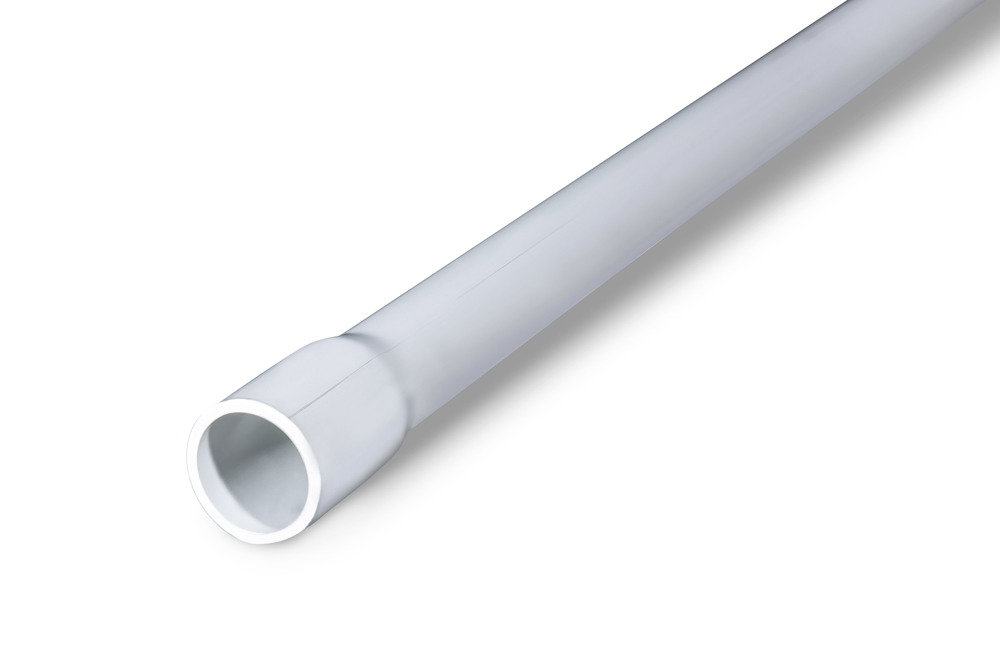
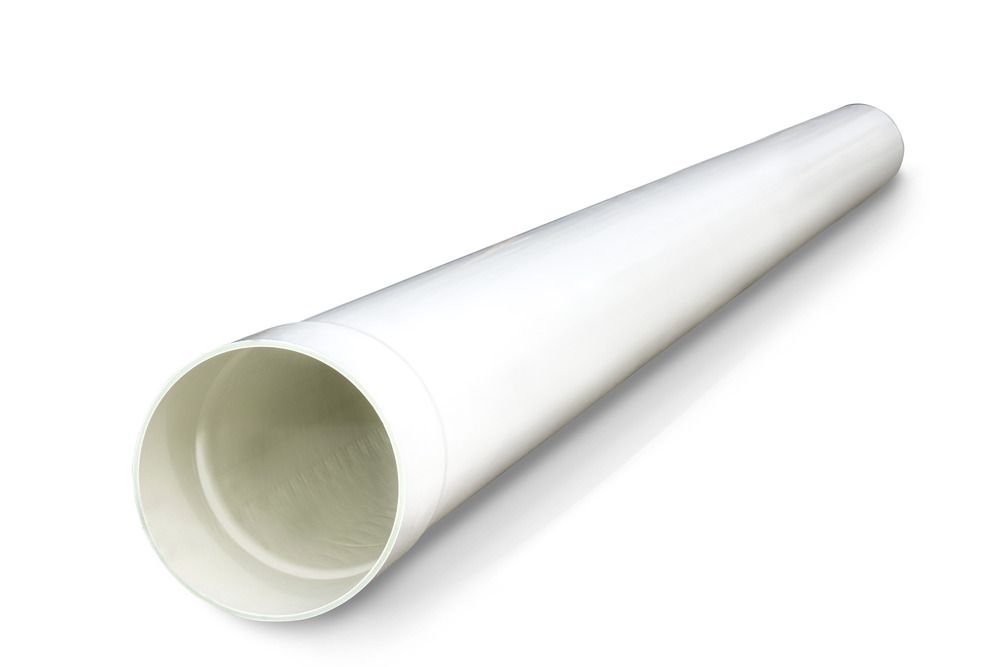
- DWV Pipe Lengths: Manufactured to AS/NZS 1260.
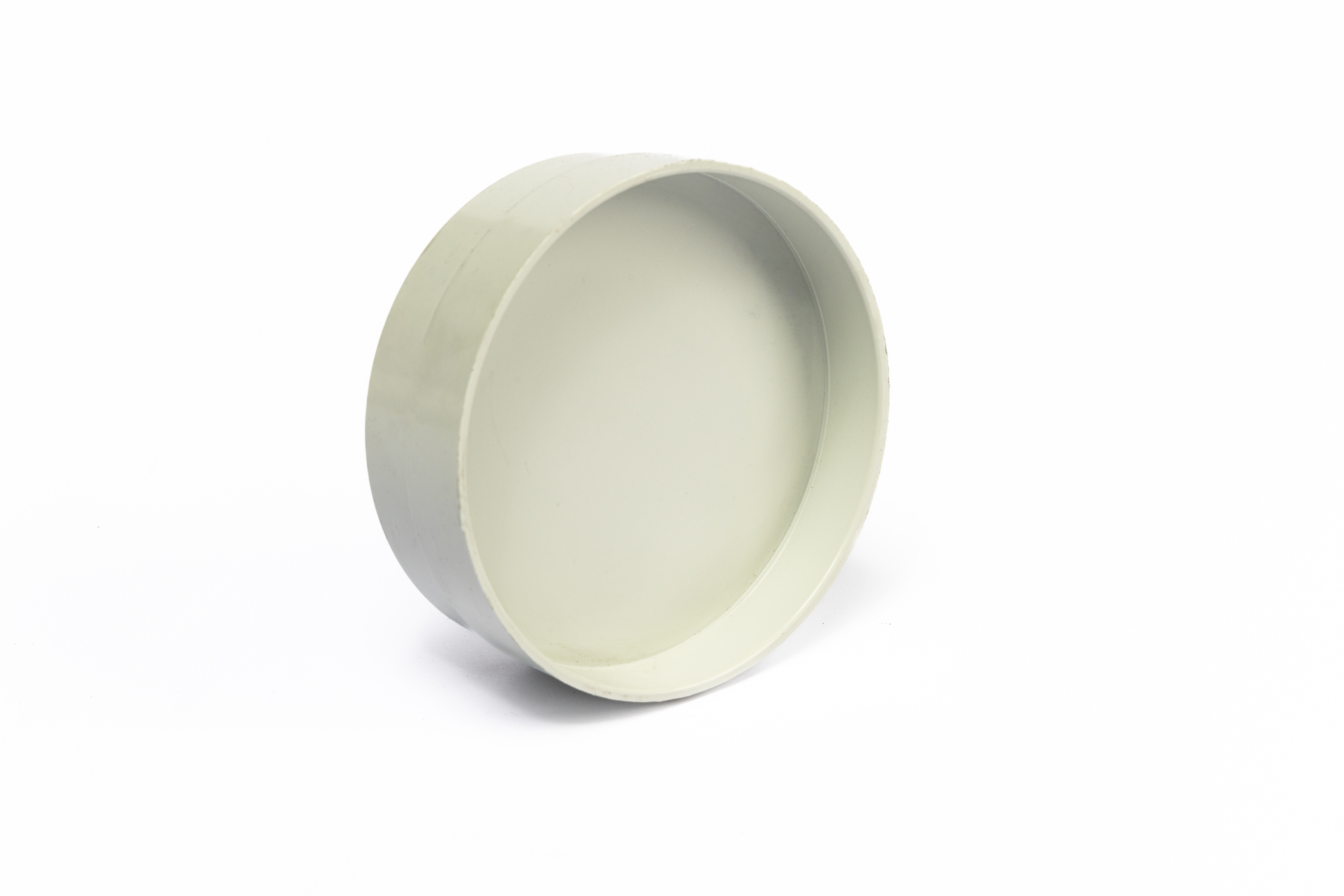
- Caps: Available as push-on caps to seal pipe ends or threaded access caps on our fittings for maintenance entry.
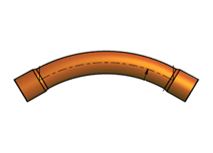
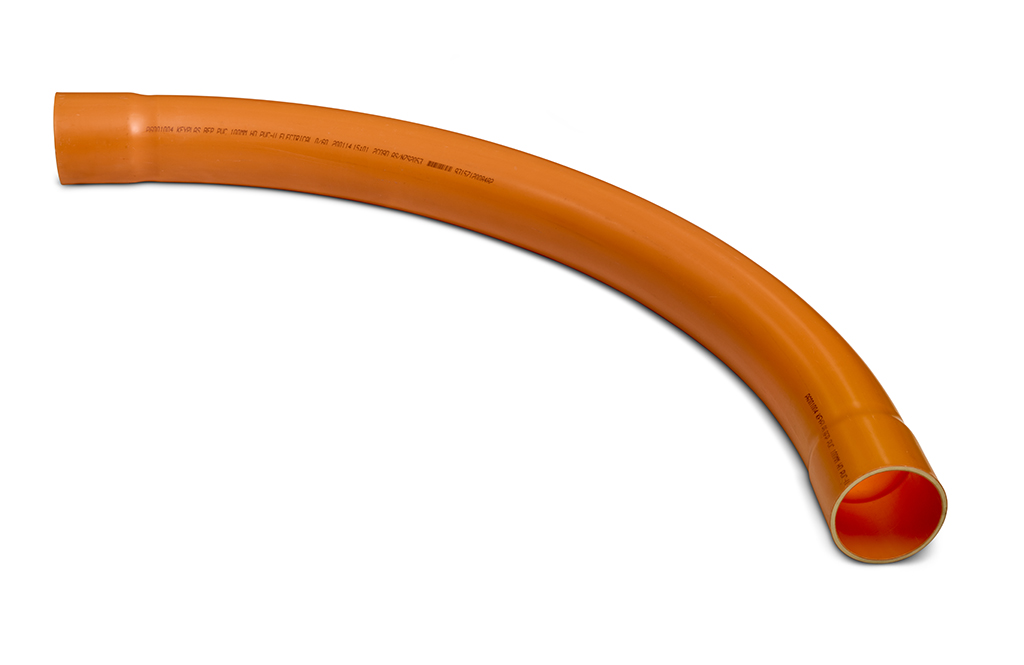
- Bends & Elbows: Used to change the direction of the pipeline; available in various angles.
- Junctions: Facilitate branching into main lines; options include plain, inspection opening, or reducing junctions.
- Couplings: Essential for joining pipe lengths; expansion couplings are specifically used to accommodate thermal movement.
- DWV Vents: A critical part of the DWV Vent system, these allow the network to balance air pressure and are available in insect-proof designs.
- Test Openings: Provide a dedicated access point for line maintenance and hydrostatic or air pressure testing.
- Adaptors: Engineered to create a secure transition between DWV PVC and other materials, including copper, iron, and earthenware.
- Traps: Designed to maintain a water seal that prevents sewer gases from entering buildings.
- Collars: Specialized pan collars used to connect sanitary fixtures to the drainage network.
- Grates: Terminal drainage components available in pop-up, dome, or floor-level configurations.
- Valves: Includes flap and reflux valves designed to prevent the backflow of wastewater.
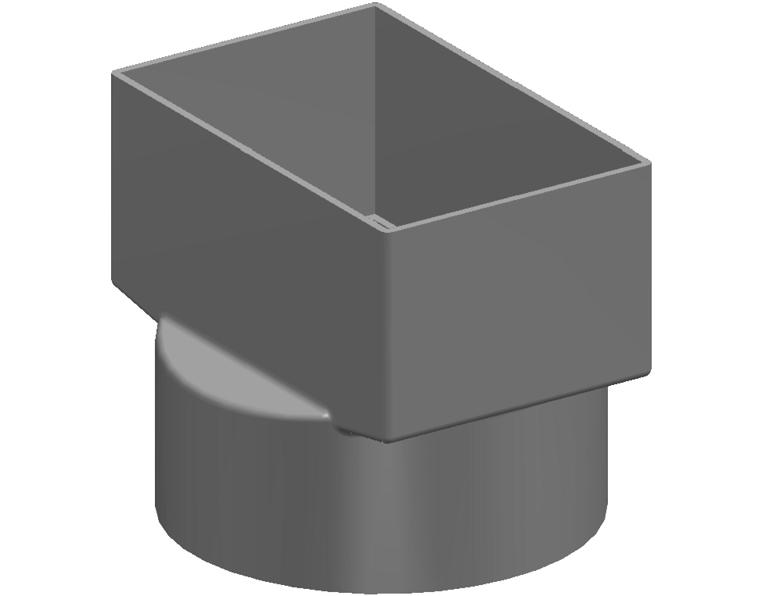
- Reducers: Used to transition between different DWV [HA3.1]pipe dimensions within a single line.
- Cap & Lining: Threaded components used for specialized plumbing connections.
- Weathering Apron: Used in conjunction with weatherproof sleeves to ensure a watertight seal at roof penetrations.
- Keyseal & Seals: High-performance rubber rings that ensure leak-free joints in both standard and fabricated fittings.
- Manhole/Mainshaft Connectors: Specialised sanded connectors designed for secure entry into concrete manholes or municipal drainage structures.
- Vertical Backdrops: Specialized drop junctions used to manage significant vertical changes in deep-burial sewer applications
DWV PVC-U Non-Pressure Sewer Pipe - Range and Dimensions
DWV Pipes are specified in terms of their stiffness classes, measured in a standard test. The new classes are not exactly the same as the earlier classification scheme (Class SH and Class SEH) but are similar.
Class SN4 and Class SN6 DWV pipes are considered to be suitable for plumbing and domestic use, effectively replacing Class SH.
Class SN8 and Class SN10 DWV pipes are suitable for general municipal drainage, deeper burial and similar applications where higher pipe stiffness is required to minimise deflection of the installed pipes due to the load imposed by the back fill or surcharge or to poor soil conditions. These pipes have effectively replaced Class SEH pipes.
DWV Fittings Range
Iplex provides a range of Solvent Weld Joint (SWJ) and Rubber Ring Joint (RRJ) fittings. They are designed with high impact strength, which helps prevent damage during handling and installation. All DWV fittings assemble easily using either solvent cement or rubber seal rings to accommodate thermal or ground movement.
Colour and Markings
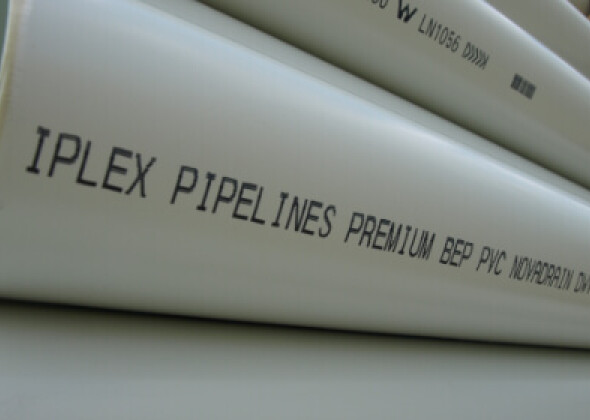
lplex Pipelines DWV pipe and fittings are manufactured in a light grey colour in a semi-gloss finish, which is opaque and flawless.
All DWV pipes are repeatedly branded in accordance with AS/NZS 1260, which includes the date and place of manufacture.
Mechanical Properties
|
Property |
Value & Unit |
|
Density - Specific Gravity |
1.47 |
|
Ultimate Tensile Strength |
52Mpa |
|
Yield Strain |
5.50% |
|
Compressive Strength |
66Mpa |
|
Tensile Modulus |
2750Mpa |
|
Hardness Shore D |
85 |
|
Poissons Ratio |
0.38 |
|
Ring Bending Modulus - 3mins |
3200Mpa |
|
Ring Bending Modulus - 50yrs |
1400Mpa |
Thermal Properties
|
Property |
Value & Unit |
|
Coefficient of Thermal Expansion |
7 x 10⁻⁵/oC |
|
Thermal Conductivity |
0.138W/m.K |
|
Specific Heat |
1047 J/kg/oC |
|
Vicat Softening Temperature |
75oC |
Fire Resistance Properties
|
Property |
Value & Unit |
|
Flammability |
Will not support combustion |
|
Ignitability |
8 |
|
Smoke Development |
8 |
|
Spread of Flame |
0 |
|
Heat Evolved |
1 |
Chemical Resistance
PVC-U pipes have high resistance to a wide range of chemical reagents. Such resistance, however, is a function of temperature, concentration and pressure.
In general, PVC-U is suitable to convey strong acids, alkalis and aqueous solutions (except those which are strongly oxidising), aliphatic hydrocarbons, fluorides, photographic and plating solutions, brine, mineral oils, fats and alcohols. The suitability of a pipeline for conveying a certain chemical will depend on such factors as the concentration of the chemical in the fluid to be conveyed, temperature, flow rate, the presence of pockets or “dead spots” in the pipeline and other factors.
Product limitations
|
Effect of low temperature |
The impact resistance of DWV PVC-U pipe and fittings decreases with reduction in temperature therefore increased care should be exercised if installations are carried out near 0°c |
|
Effect of elevated temperatures |
PVC-U DWV pipes have a softening temperature of approximately 75°C. Because the material has a low thermal conductivity DWV pipes are able to cope with typical discharges at even higher temperatures. Full bore and extended discharges at higher temperatures should be avoided. |
|
Specialised applications |
The drainage systems are more than adequate for normal domestic applications in low and multi-rise dwellings. However, in some situations, an alternative drainage solution to DWV may be superior. Where more specialised applications, such as tea-makers, autoclaves, hospitals, commercial dishwashers, commercial laundries, industrial kitchens and laboratories are concerned, or where prolonged discharges of liquids at elevated temperatures can occur, contact Iplex. |
Certifications & Approvals
Environmental credentials
Iplex PVC-U non-pressure DWV stormwater pipe is certified to confirm to the Best Environmental Practice PVC (BEP PVC) provisions of AS/NZS 1260.
The Green Building Council of Australia (GCBA) has defined the standards for best practice environmental performance for PVC manufacturing, against which Iplex’s processes have been audited by an independent certifying body. These permits users of Iplex PVC-U non-pressures pipes to claim positive PVC Credit Points under the GBCA’s Green Star Rating Scheme. Learn More
Iplex Pipelines has published verified Environmental Product Declaration (EPD) on our range of PVC-U non-pressure Pipes. EPD’s are third party certified documents based on ISO 14025 and EN 15804 Standards that communicate transparent and comparable information about the life-cycle environmental impact of a product or service. Specifically, product declarations include information on the environmental impact of raw material acquisition, energy use and efficiency, composition of materials and chemical substances, emissions to air, soil and water and waste generation.
Standards and approvals
Iplex PVC-U pipe is manufactured to the Australian Product Standard under a third-party accredited Quality Management System (QMS) complying with ISO 9001.
Iplex Pipelines PVC-U DWV Pipe and fittings systems are intended for use above and below ground including exposure to direct sunlight and are manufactured to AS/NZS 1260 "PVC-U pipe and fittings for drain, waste and vent application". Iplex DWV pipe and fittings are also certified products holding the StandardsMark and WaterMark indicating that the products have been independently assessed and recognised as quality products.
Installation & Handling
Handling and storage
Correct handling ensures the long-term integrity of your DWV pipelines prior to installation.
- Transport: Pipes are typically delivered in timber packs designed to protect against point loading and ovalisation.
- Safe Handling: Pipes and DWV fittings must not be dropped or thrown onto hard surfaces. Avoid wire slings for lifting, as they can scratch the material.
- Sunlight Protection: If stored outdoors for more than 24 months, pipes must be protected from UV using breathable materials like hessian or white shade cloth. Do not use plastic film, as it traps heat.
- Stacking: Stacks should be on level ground and must not exceed 1 metre in height. Socketed pipes should be stacked with alternate layers of sockets facing in opposite directions.
For more detailed information on handling and storage please refer to the DWV Technical Guide.
Installation and Testing
Strict adherence to installation advice is essential for efficient installation of our DWV Pipe systems.
Jointing Methods
- Solvent Weld Joint (SWJ): A chemical fusion process. It is essential to use Iplex Priming Fluid before applying solvent cement to clean, degrease, and soften the surface for a leak-free bond.
- Rubber Ring Joint (RRJ): Commonly used for larger diameters (100mm to 375mm). These joints accommodate thermal expansion and ground movement
For more detailed information on Installation & Testing please refer to the DWV Technical Guide.
Maximum spacing of pipe supports for non-pressure pipes
Maximum spacing of pipe supports for non-pressure pipes AS/NZS 2032:2006
|
Nominal size of pipe |
Graded pipelines |
Vertical pipelines |
|
32 |
0.90 |
1.80 |
|
40/50 |
1.00 |
2.00 |
|
65-150 |
1.20 |
2.50 |
|
>150 |
1.50 |
3.00 |
FAQ
Frequently Asked Questions
Case Studies
Need help?
To speak with an Iplex sales & service team member